
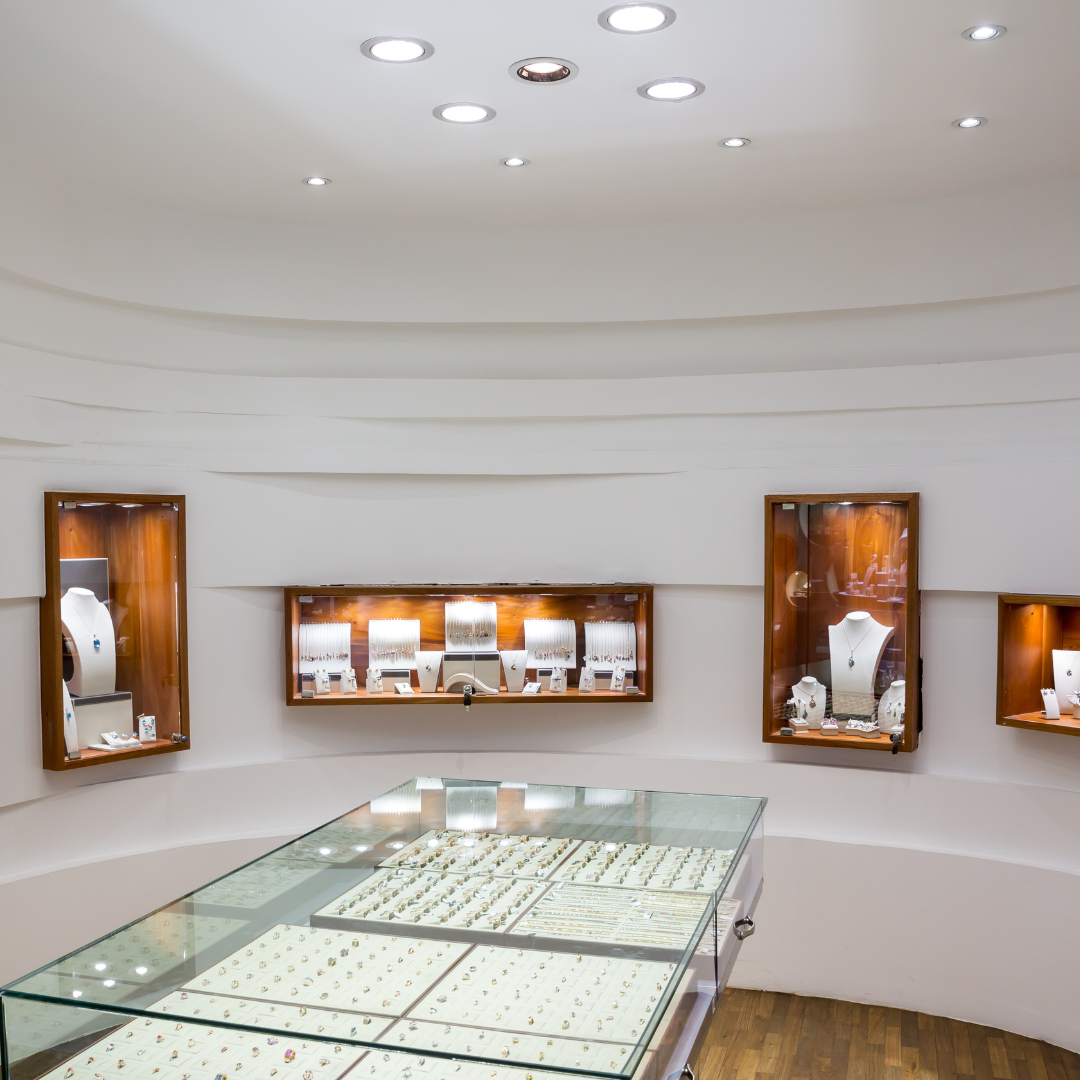
In the world of fine jewellery, first impressions are everything. The sparkle of diamonds and the sheen of gold aren’t just showcased through the jewellery itself , they come alive through the ambience that surrounds them. That’s why Jewellery Interior Designing plays a vital role in shaping how a brand is perceived. A well-designed Jewellery Showroom Interior not only elevates the shopping experience but also mirrors the brand’s story, values, and personality.
1. The Power of Brand Identity in Jewellery Interiors
Every jewellery brand tells a unique story, whether it’s timeless tradition, modern minimalism, or regal grandeur. The interiors of a showroom must translate this brand story into a physical experience. For instance, a luxury diamond brand may opt for sleek lines, marble textures, and elegant lighting, while a traditional gold jewellery brand might embrace warm tones, intricate motifs, and heritage-inspired decor.
The key lies in design consistency, every element, from the flooring to the façade, should align with the brand’s image.
2. Lighting: The Silent Storyteller
Lighting is one of the most crucial aspects of Jewellery Showroom Interior Design. It enhances brilliance, highlights craftsmanship, and sets the emotional tone for customers. Soft spotlights for diamonds, warm lighting for gold, and balanced ambient light can completely transform how customers perceive the value of a piece. Strategic lighting also ensures that each display becomes a stage for elegance and luxury.
3. Display Designs that Speak for the Brand
Jewellery displays are more than just functional units — they are visual storytellers. For brands emphasizing exclusivity, minimalist glass cases with single-piece displays evoke a sense of rarity. In contrast, traditional jewellers may use ornate display counters and rich backdrops that convey heritage and craftsmanship.
A professional Jewellery Interior Designer ensures that every display layout complements both the aesthetics and the commercial goals of the brand.
4. Colour Palette and Material Harmony
Colours have a psychological influence on how customers feel within a space. Gold and champagne tones create warmth and opulence, while whites and silvers add modern sophistication. The right blend of textures, like marble, velvet, or wood, enhances tactile luxury, creating an environment that feels both premium and welcoming.
5. Crafting an Experience, Not Just a Space
A successful Jewellery Interior Design doesn’t just display jewellery; it builds an emotional connection. From curated music and soft fragrances to comfortable seating and personalized service zones, every detail contributes to a memorable customer experience. When the design reflects the brand’s essence, it builds trust and loyalty, key factors for long-term success.
Conclusion
Designing interiors that reflect a jewellery brand’s personality is both an art and a science. It requires understanding not just design trends, but the brand’s heart and history. Whether it’s luxury, tradition, or innovation, the right Jewellery Showroom Interior transforms a space into a brand statement, where every sparkle tells your story.