
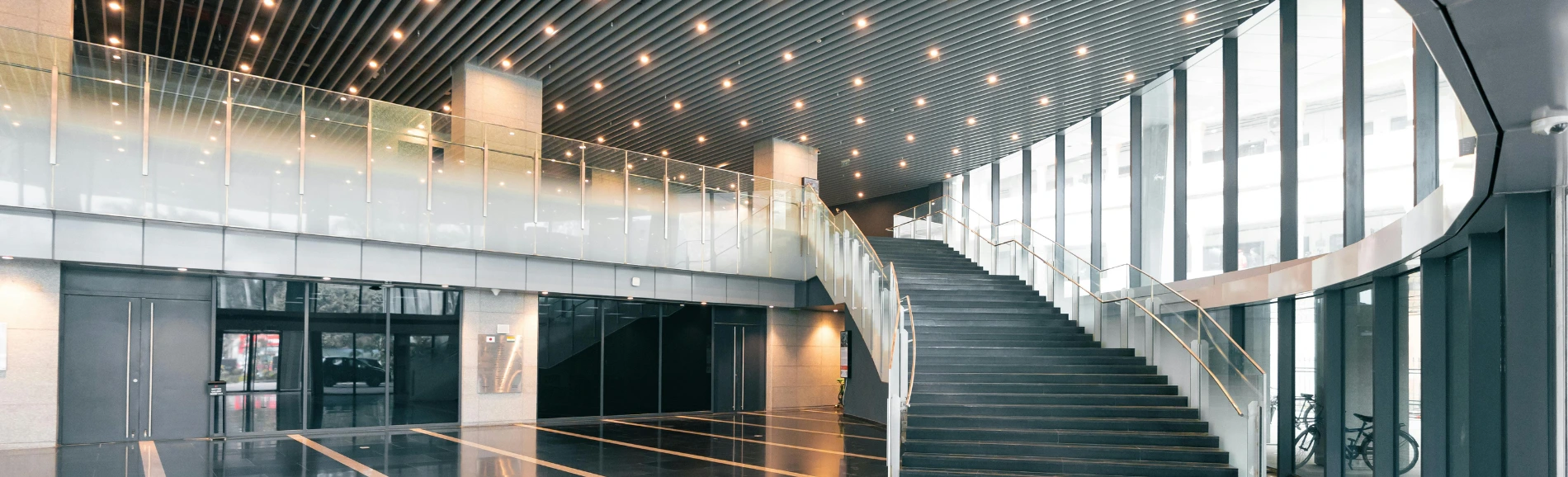
Creating a productive workplace is no longer just about skilled employees or advanced technology. The physical environment plays a crucial role in shaping how people work, think, and collaborate. A well-designed office can increase efficiency, reduce stress, and boost employee satisfaction.
Hiring an interior design company in Kerala can make a significant difference in how your workspace functions. With the right design strategy, businesses can create an environment that supports both productivity and well-being.
The Link Between Office Design and Productivity
Employees spend a large portion of their day at work, so the office environment directly impacts their performance. Poor design can lead to distractions, discomfort, and low morale, while a thoughtfully designed space encourages focus and creativity.
A productive workspace is not just about aesthetics, it’s about functionality, comfort, and smart planning.
1. The Power of Proper Lighting
Lighting is one of the most important factors in workplace design. Natural light improves mood and energy levels, while poor lighting can cause fatigue and eye strain.
Benefits of good lighting:
-
Improves concentration
-
Reduces stress and headaches
-
Enhances overall work performance
Offices with balanced natural and artificial lighting create a more comfortable and efficient work environment.
2. Smart Layout and Space Planning
An efficient office layout allows employees to work without unnecessary interruptions.
-
Open areas encourage collaboration
-
Private zones support focused tasks
-
Clear pathways improve movement and workflow
A well-planned layout helps teams stay organized and productive throughout the day.
3. Ergonomic Furniture for Comfort
Uncomfortable furniture can lead to physical strain and decreased productivity.
Ergonomic office setups:
-
Improve posture
-
Reduce fatigue
-
Increase efficiency
When employees feel physically comfortable, they can focus better and work longer without stress.
4. The Impact of Colors on Work Performance
Colors influence mood and behavior in the workplace.
-
Blue enhances focus and calmness
-
Green promotes balance and creativity
-
Yellow boosts energy and positivity
Choosing the right color palette can create a motivating and inspiring workspace.
5. Noise Control and Better Acoustics
Noise is a common distraction in many offices. Poor acoustics can reduce concentration and productivity.
Effective solutions include:
-
Sound-absorbing panels
-
Carpets and soft materials
-
Designated quiet areas
Reducing noise helps employees stay focused and perform better.
6. Bringing Nature into the Office
Incorporating natural elements into office design creates a healthier environment.
-
Indoor plants improve air quality
-
Natural materials add warmth
-
Green spaces reduce stress
A nature-inspired office can boost creativity and overall employee well-being.
7. Organized and Clutter-Free Spaces
Clutter can overwhelm employees and slow down workflow.
A clean and organized workspace:
-
Improves focus
-
Saves time
-
Creates a professional atmosphere
Smart storage solutions help maintain a tidy and efficient office.
8. Employee Well-Being and Satisfaction
A well-designed office supports both physical and mental health.
-
Comfortable environments reduce stress
-
Better design increases job satisfaction
-
Happy employees perform better
Investing in employee well-being leads to long-term productivity gains.
Conclusion
Workplace design has a direct impact on how employees perform and feel. Businesses that invest in better office interiors often see improvements in efficiency, teamwork, and overall success.
Choosing the right interior design company in Kerala ensures that your workspace is not only visually appealing but also functional and productivity-driven. A well-designed office is a powerful tool that helps businesses grow and thrive in a competitive environment.